WEGO SMART
DESIGNING AN EXPLAINABLE FLIGHT VALUE RANKING FEATURE
Disclaimer: Wego Smart is an independent Business Analyst case study I developed while working at Wego, exploring how the flight-search experience could help travellers identify the best overall itinerary rather than relying solely on price or sponsored placement. The concept, analysis and prototype were developed independently and do not represent an official Wego product initiative or planned company feature.
1. 1 Overview:
Flight search conducted by a user presents numerous competing signals such as price journey, duration, number of stops, sponsored placement above real value option. The cheapest option often displayed is not necessarily the most practical as most prominent result may not represent the strongest overall trade-off leading to drop-offs in the booking journey.
The new feature ‘Wego Smart’ explores an additional decision-support layer which is aimed to identify and explain a high value itinerary without changing the existing search ranking or removing a user choice.
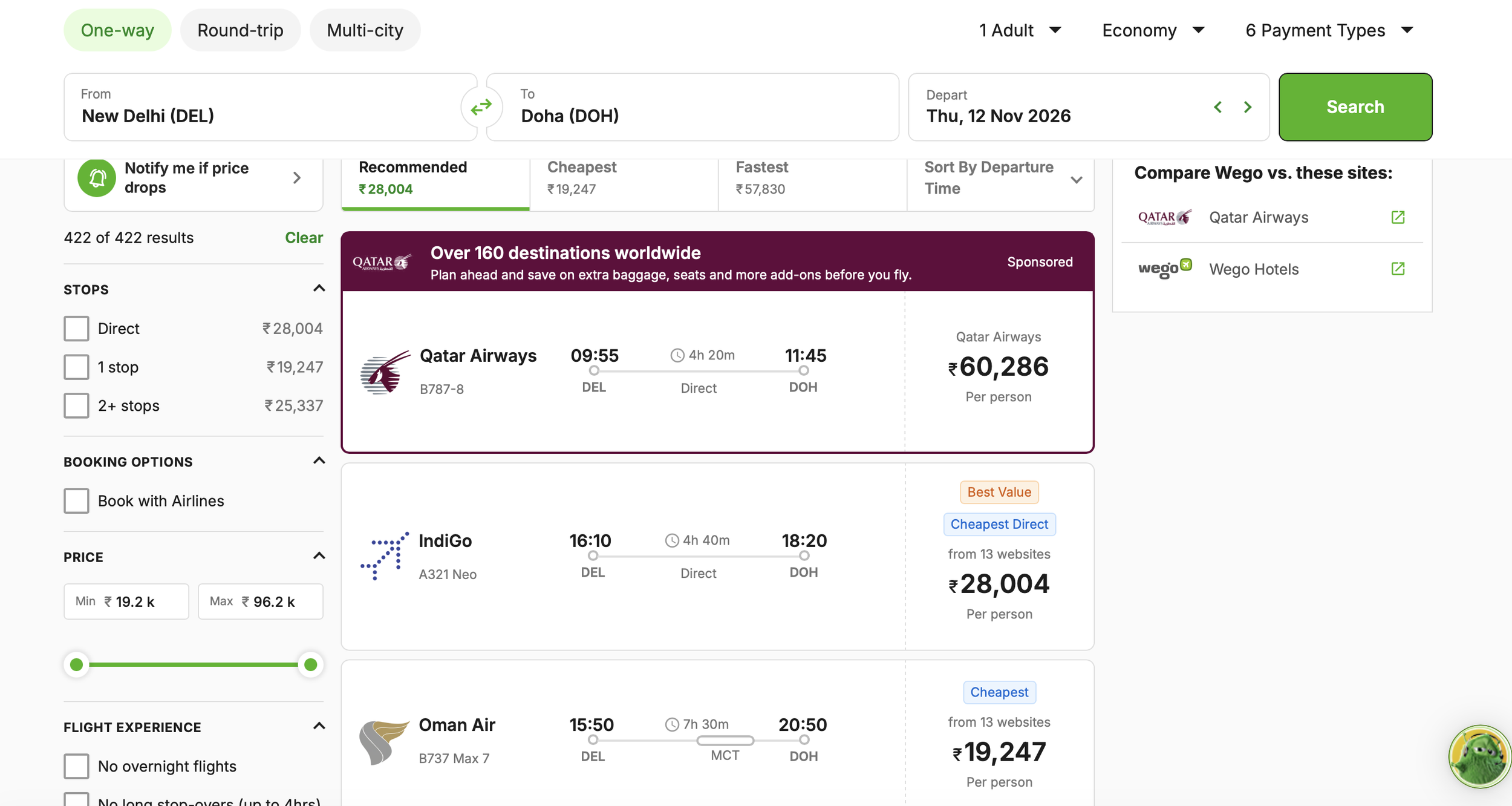
Figure 1: Example of the current Wego flight-search interface captured during the independent case study.
1.2 Business Problem:
Users searching for flights often need to evaluate several factors at the same time: price, journey duration, number of stops, schedule convenience and result placement. Existing labels such as ‘Cheapest’, ‘Fastest’ and ‘Best Value’ help identify individual attributes, but they do not always explain the trade-off between them.
The current experience provides useful indicators such as Recommended, Cheapest, Fastest, Best Value and Cheapest Direct, but these labels represent different decision criteria. A cheaper itinerary may involve a longer journey or less convenient schedule, while a direct option may cost more but saves substantial amount of time. Sponsored results introduce a separate commercial signal that should remain clearly distinguishable from traveller-value recommendations.
The business problem identified in this case study was therefore not simply “Which flight is cheapest?”, but:
How can the search experience help a traveller identify a strong overall flight option and understand the trade-off behind that recommendation without replacing the existing ranking, hiding sponsored placement or reducing user choice?
1.3 Business Objectives:
The proposed solution should:
identify a high-value itinerary using fare, duration and number of stops;
explain why the option represents a useful trade-off rather than presenting an unexplained score;
remain clearly separate from sponsored placement;
preserve the existing search results and user choice;
support both direct and connecting-flight decision scenarios.
1.4 Data & Analytical Approach:
The analysis was based on an independently collected dataset of 120 flight-search observations across four routes and three booking horizons. Each observation captured attributes relevant to the traveller’s decision, including fare, journey duration, number of stops, airline, result position, existing Wego label, sponsored status, route and travel date.
The dataset was imported into PostgreSQL for validation and exploratory analysis. Before analysing the flight options, I checked the number of observations against the number of unique observation IDs. The dataset contained 120 records and 120 unique observation IDs, confirming that duplicate observation records were not present. Existing Wego labels were then profiled to understand how classifications such as Sponsored, Cheapest, Cheapest Direct and Best Value appeared within the sample.
1.5 Analytical Method:
SQL was used to compare flight options at route and travel-date level rather than evaluating fares in isolation. The analysis focused on four decision areas:
Value vs. cheapest: tested whether flights labelled Best Value were always the lowest-priced option.
Direct vs. connecting trade-off: compared fare differences against journey-time savings.
Sponsored vs. non-sponsored results: examined whether sponsored placement corresponded with the lowest available fare.
Booking horizon and airline patterns: assessed how fares changed across the 7-, 30- and 60-day booking windows and which airlines appeared most frequently as Best Value selections.
1.6 Key Findings:
The new feature ‘Wego Smart’ was shaped a number of patterns identified in the SQL analysis.Rather than treating price as the only decision criterion, the findings showed that fare, journey time, stops and result classification can produce materially different traveller trade-offs.
Finding 1: Best Value was not always the cheapest option
Across the 12 comparable route and travel-date scenarios, only 6 Best Value selections were also the cheapest option. In the remaining 6 scenarios, the Best Value option carried a price premium.
This means that in 50% of the analysed scenarios, “Best Value” and “Cheapest” represented different choices. For the proposed feature, this became an important requirement:
Wego Smart should not treat the lowest fare as automatically representing the strongest overall option. Instead, the recommendation should evaluate the trade-off between fare, journey duration and number of stops, while clearly explaining why the selected itinerary may differ from the cheapest result.
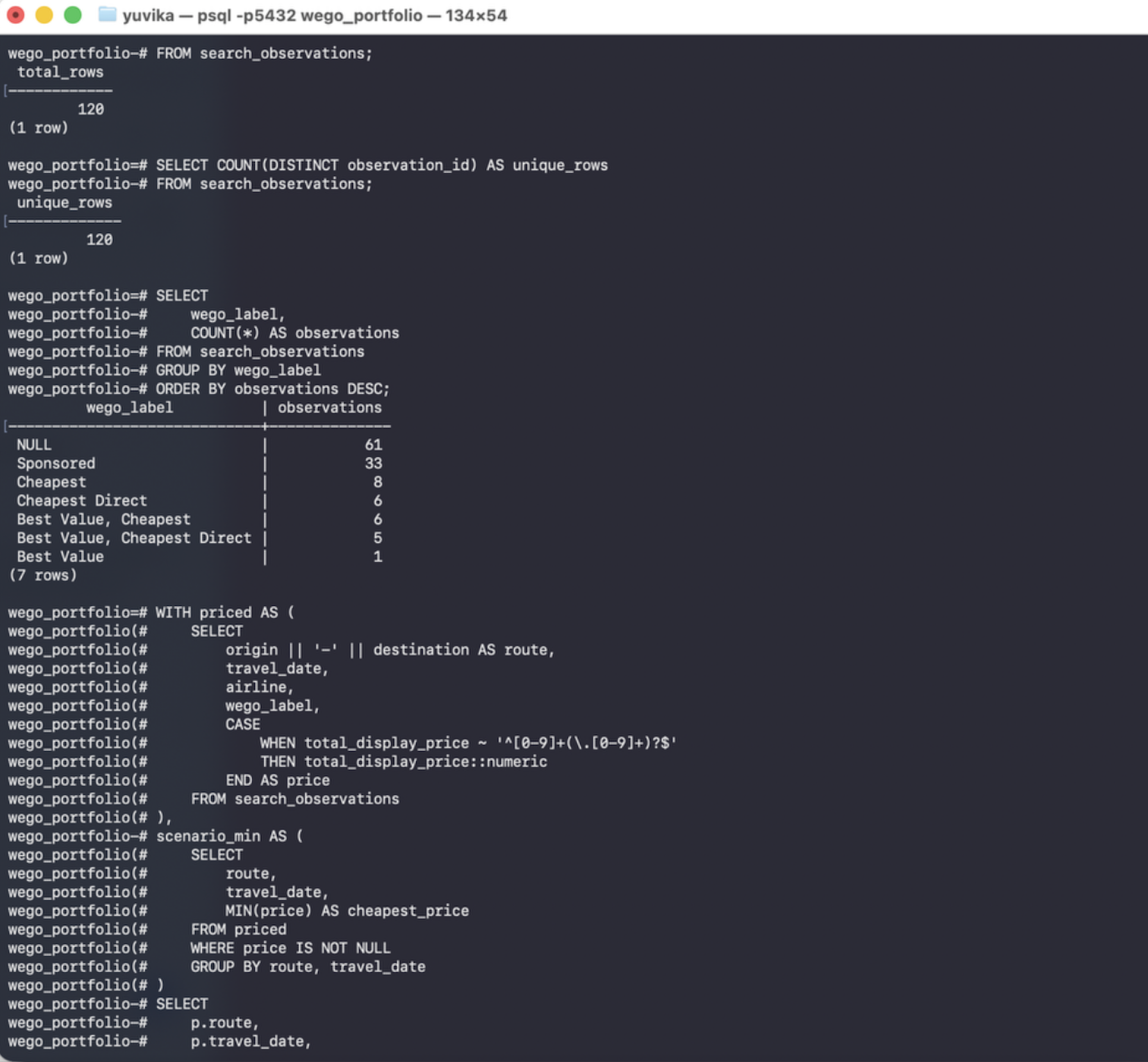
Figure 2: Dataset validation and initial label profiling in PostgreSQL.
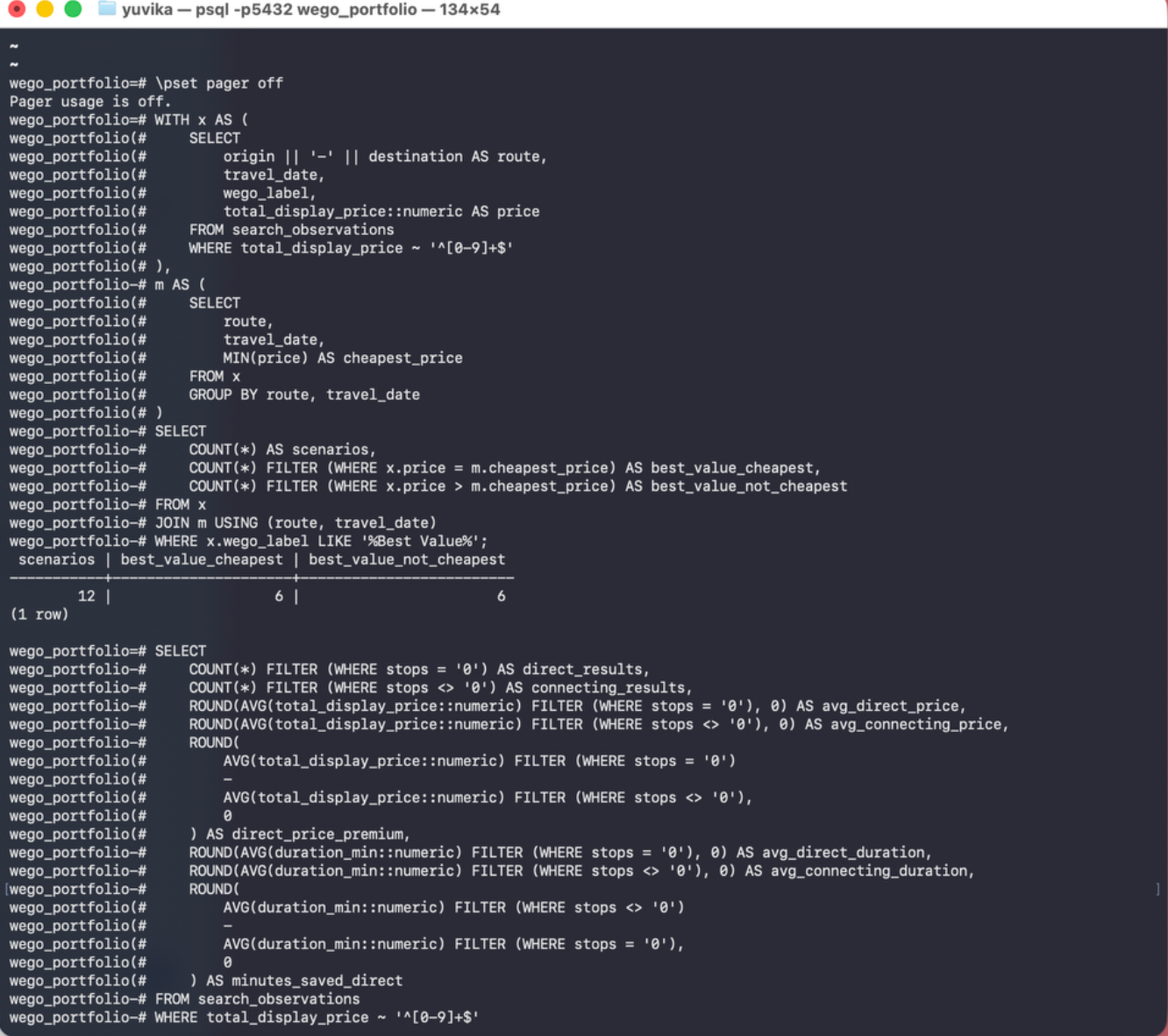
Figure 3: SQL comparison of Best Value selections Vs cheapest available fare.
Finding 2: Sponsored placement did not indicate the lowest fare
For every comparable situation, the sponsored-result analysis contrasted the lowest sponsored fare with cheapest flight option.
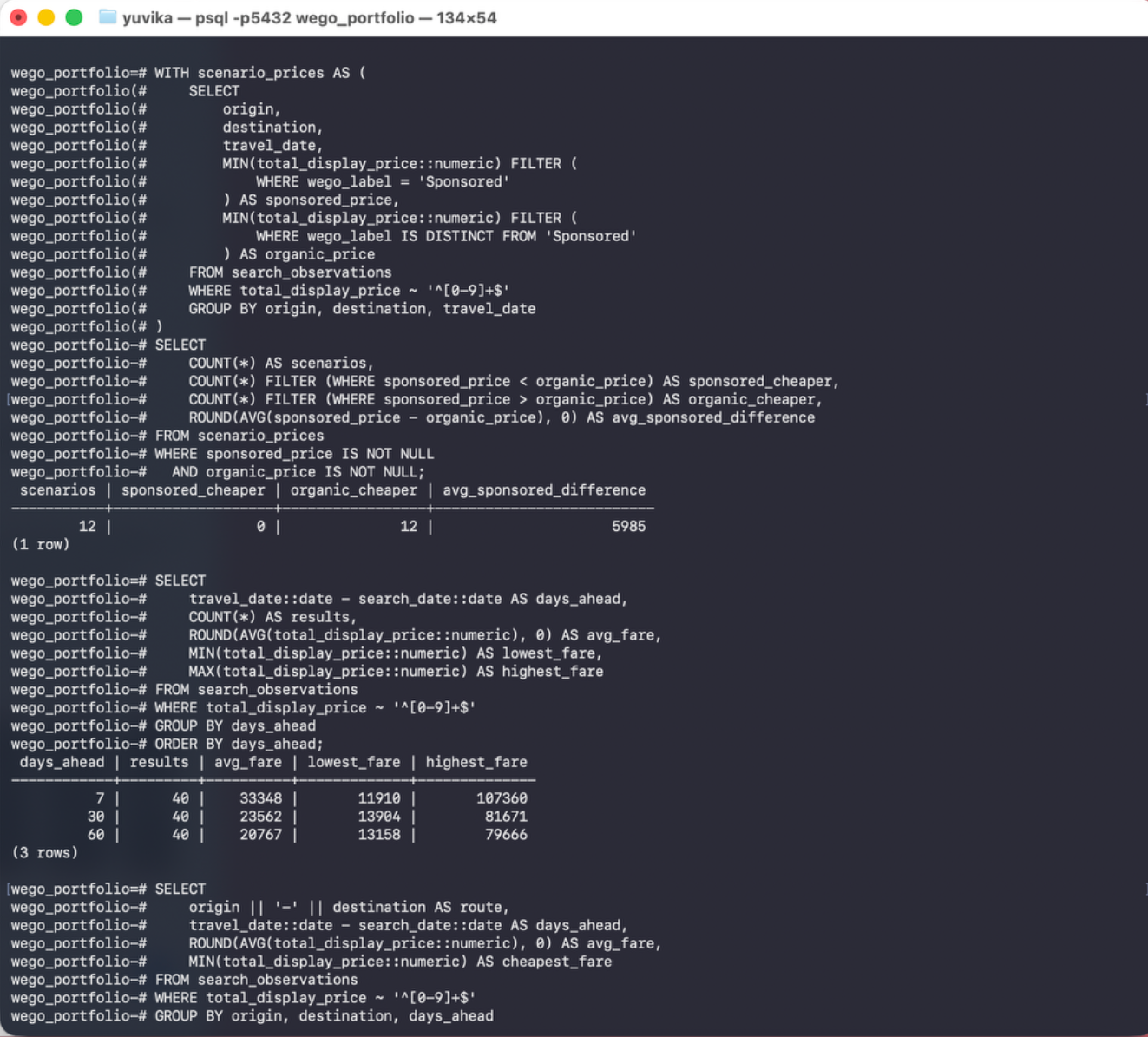
Figure 4: Sponsored versus non-sponsored fare comparison.
Finding 3: Direct flights created a substantial time advantage and were cheaper than connecting flights in 6 scenarios
Direct and connecting itineraries were compared using both fare and journey duration.
Across the 12 comparable scenarios, direct itineraries saved approximately 269 minutes on average compared with connecting alternatives, roughly 4 hours and 29 minutes.
Scenarios: Direct flights were cheaper in 6 scenarios and connecting flights were cheaper in the remaining 6. This demonstrated why simply assuming that a direct flight is always the expensive option would be misleading.The business opportunity therefore lies in presenting the user with the price-versus-time trade-off, rather than automatically favouring either the cheapest or the direct option.
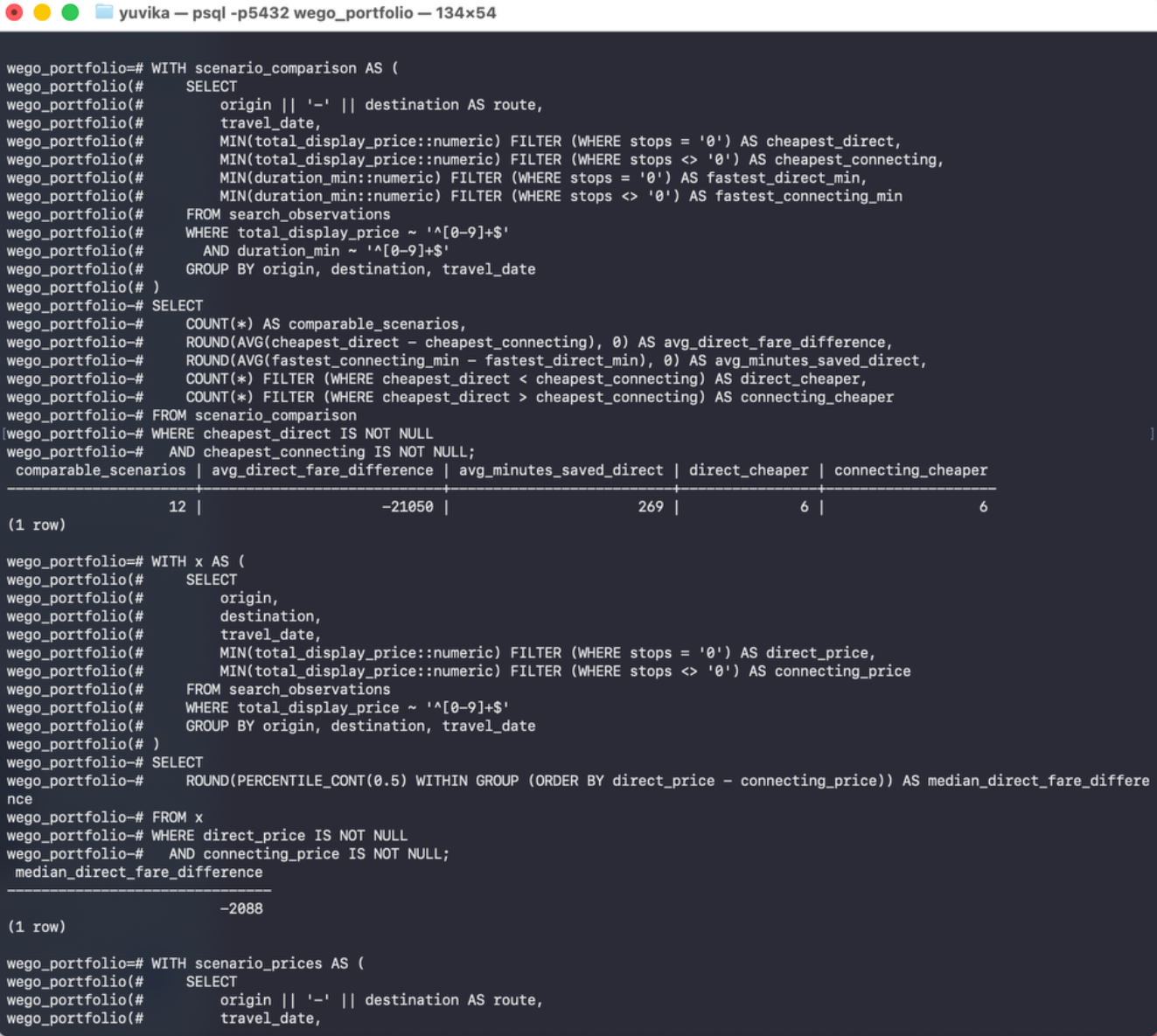
Figure 5: Direct versus connecting flight trade-off analysis.
Finding 4: Earlier booking was associated with lower average fares in the sample
The booking-horizon analysis compared searches conducted 7, 30 and 60 days before departure.
Average observed fares were:
7 days ahead — ₹33,348
30 days ahead — ₹23,562
60 days ahead — ₹20,767
Within this dataset, average fares therefore decreased as the booking horizon increased. This pattern suggest that the relative importance of price may differ depending on how close the traveller is to departure.
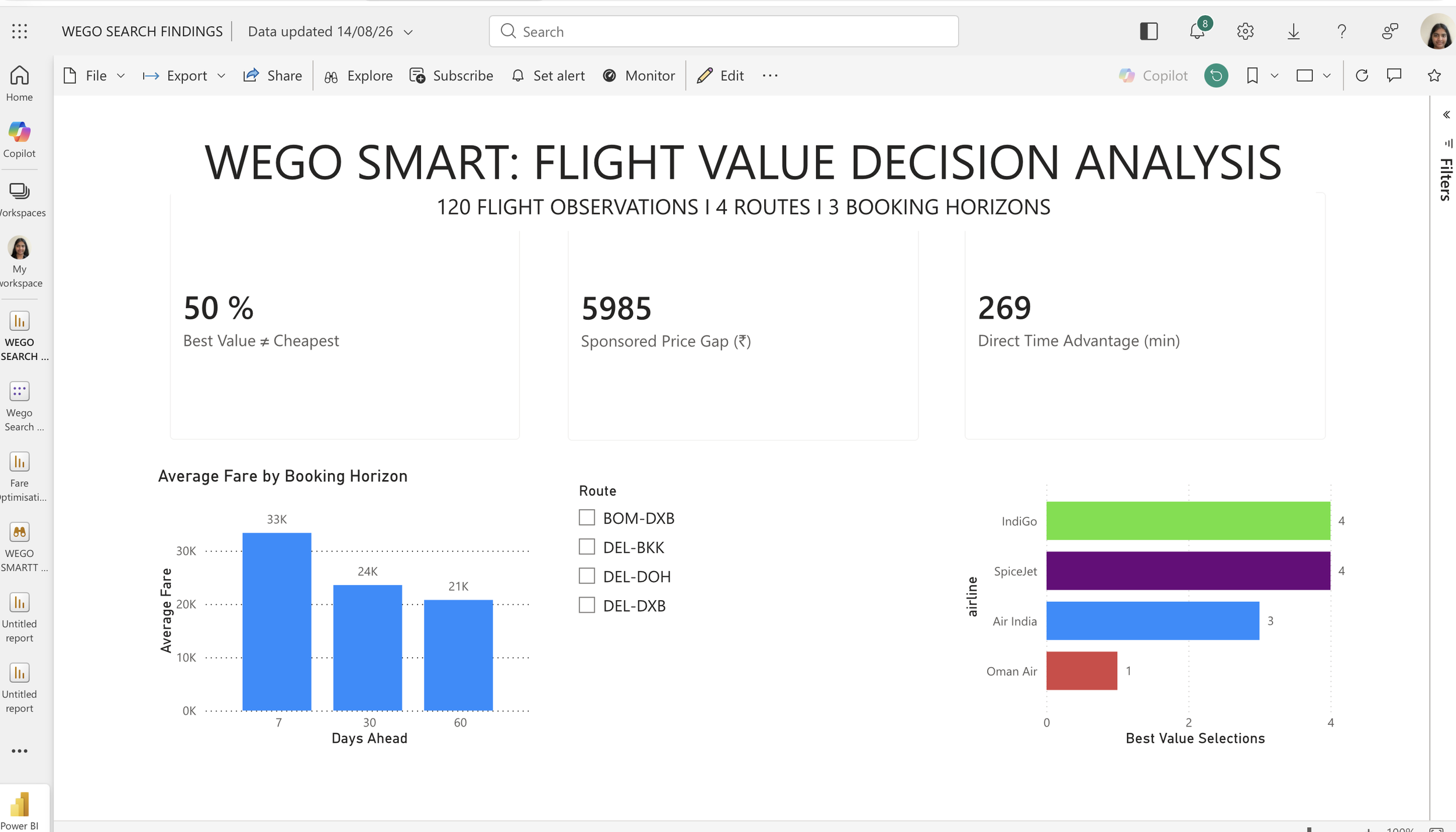
Figure 6: Power BI dashboard summarising the principal findings from the flight-search analysis.
Finding 5: Best Value selections were concentrated among a small group of airlines
Airline-level analysis showed that Best Value selections were not evenly distributed across the observed carriers.
IndiGo and SpiceJet each appeared as Best Value 4 times, followed by Air India with 3 selections and Oman Air with 1.
This suggests that the recommendation outcome depended on the combination of fare, duration and itinerary structure, rather than simply airline prominence or result frequency.
These findings supported led to designing a decision-support layer. The analysis showed that the cheapest, fastest, direct, sponsored and Best Value options can represent different traveller choices. Wego Smart was therefore designed to surface one explainable overall recommendation while preserving the existing result set and allowing the traveller to make the final decision.
2.0 Solution Design
The analytical findings were translated into a proposed decision-support feature called Wego Smart. The purpose of the feature is not to replace Wego's existing ranking, Cheapest, Fastest, Best Value or sponsored placements, but to introduce an additional recommendation layer that helps travellers understand the trade-off between fare, journey duration and number of stops.
The design follows three principles:
Explainability: the user should understand why an itinerary has been recommended.
Separation from commercial placement: sponsored status must not influence the Smart recommendation.
Preservation of user choice: existing search results, rankings and booking options remain unchanged.
The solution contains two recommendation paths: Smart Value and Smart Direct, depending on the characteristics of the available itinerary set.
2.1 Proposed Solution: Introducing Wego Smart
Wego Smart is proposed as an additive decision-support layer within the existing flight-search experience.
For each eligible search, the feature evaluates available itineraries using the traveller-facing attributes identified during the analysis:
Fare + Journey Duration + Number of Stops
Rather than presenting an unexplained numerical score, Wego Smart surfaces a selected itinerary alongside a concise explanation of the trade-off involved.
The proposed feature contains two recommendation types: Smart Value and Smart Direct
Decision logic
Smart Value: Price + Duration + Stops
Smart Direct: Price + Duration + Schedule Flexibility
Sponsored status: Excluded from recommendation logic
Existing search ranking: Preserved
Only one primary Smart recommendation is intended to be surfaced for a search scenario, avoiding multiple competing recommendations.Sponsored placement remains independent of the Smart logic and continues to be presented using its existing commercial designation.
2.2 Recommendation Decision Flow
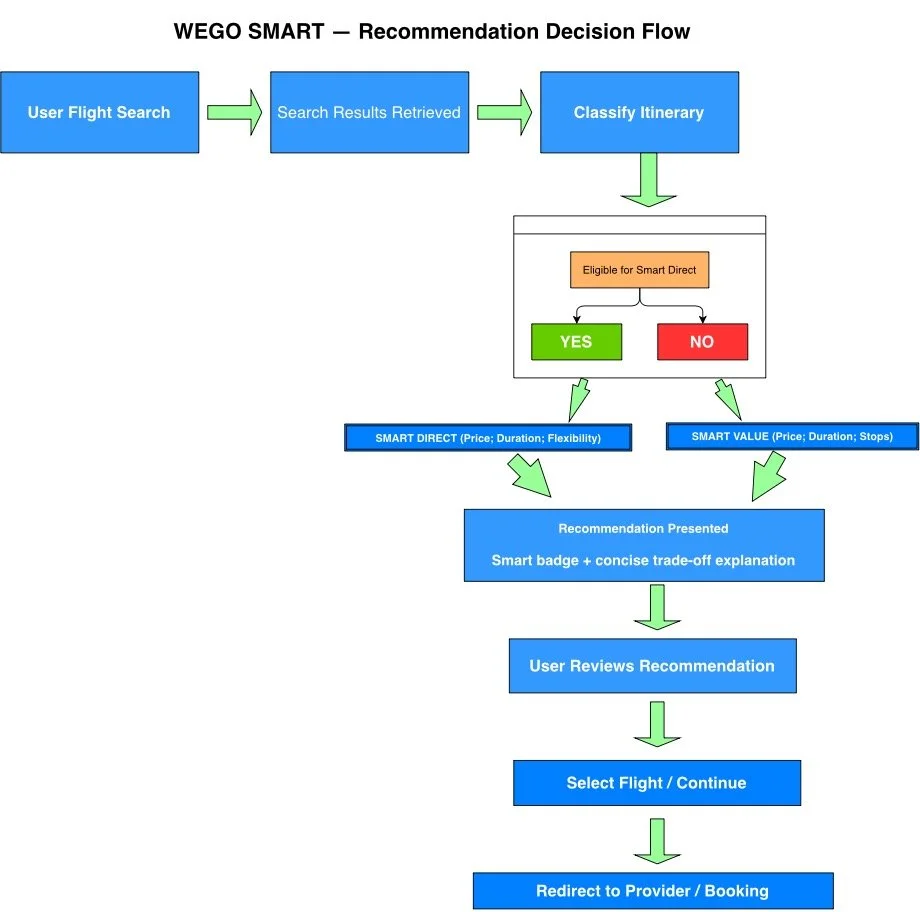
Figure 7: Proposed Wego Smart recommendation decision flow.
2.3 Functional Requirements & Business Rules
FR-01: System shall classify itinerary type.
FR-02: System shall generate one Smart Value recommendation.
FR-03: Smart Value shall use fare, duration and stops.
FR-04: Sponsored status shall not influence Smart selection.
FR-05: Existing results shall remain unchanged.
FR-06: System shall explain the recommendation in plain language.
FR-07: Smart Direct shall only be generated for eligible nonstop cohorts.
2.4 Prototype & User Experience Design
The functional requirements were translated into a prototype to demonstrate how Wego Smart could operate within the existing flight-search journey without replacing the current result set.
The prototype was designed around three user-experience requirements:
surface one clearly identifiable Smart recommendation;
explain the recommendation using observable trade-offs rather than an unexplained score;
keep Smart recommendations visually and functionally separate from sponsored placement.
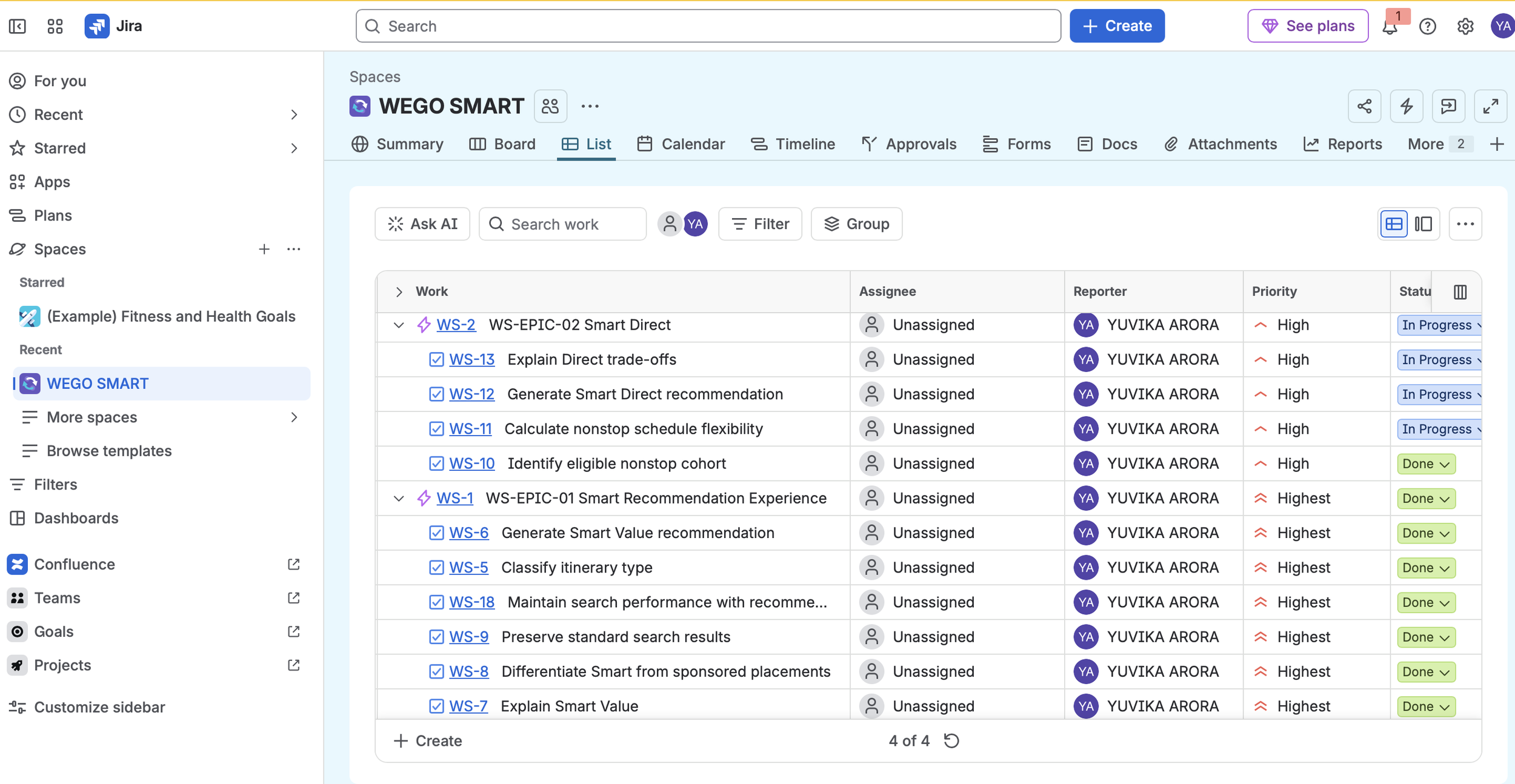
Figure 8: Jira backlog translating Wego Smart functional requirements into epics and user stories.
2.5 Prototype Decision Example
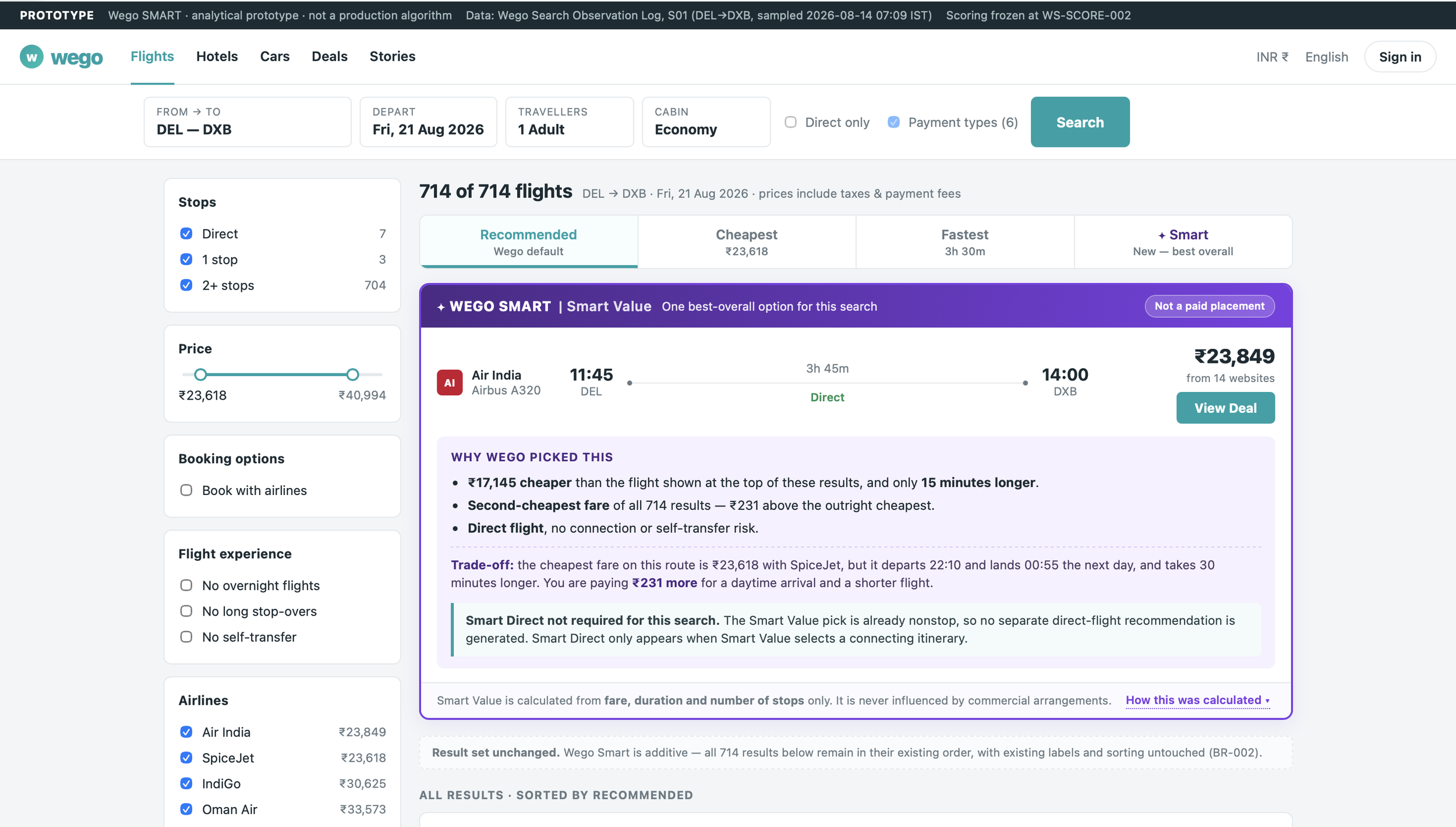
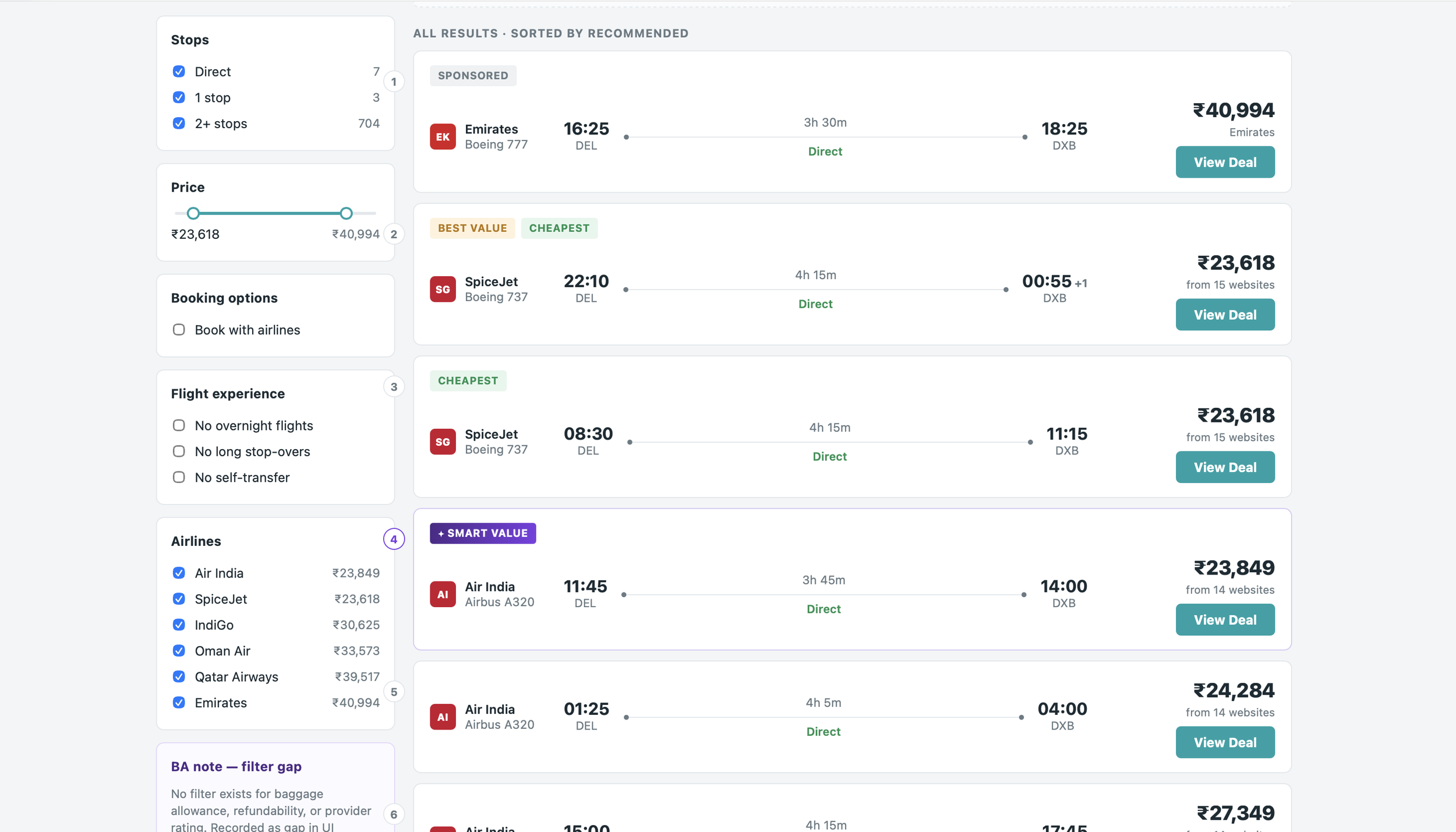
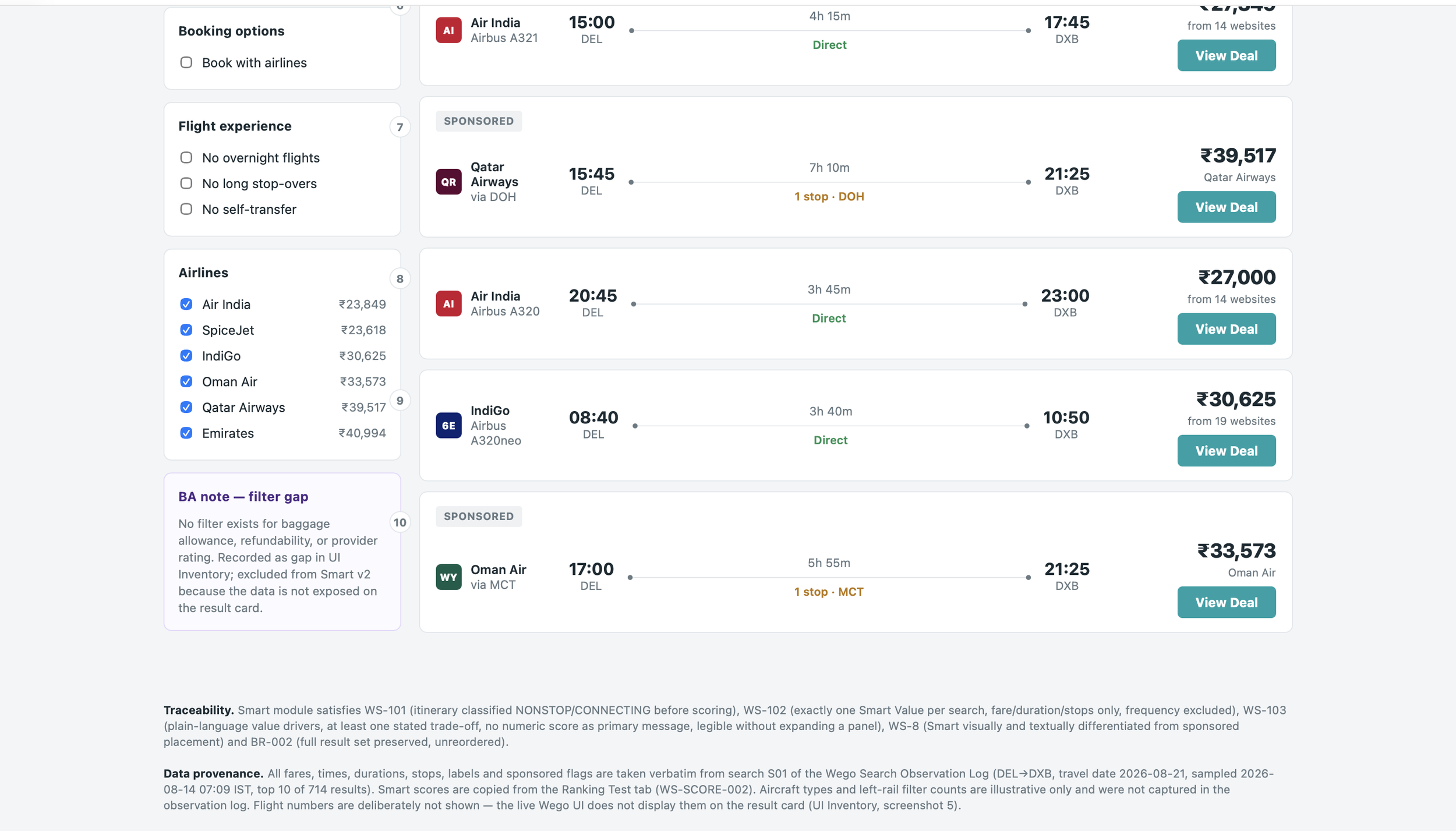
In the illustrated DEL–DXB search scenario, the proposed Smart Value recommendation selects an Air India nonstop itinerary priced at ₹23,849.
The outright cheapest option is ₹23,618 (€214), creating a relatively small ₹231 (€2) fare difference. The selected Smart Value itinerary provides a shorter and more convenient journey while remaining close to the lowest available fare.
Rather than simply labelling the itinerary as recommended, the prototype exposes this trade-off directly to the traveller. This demonstrates the core principle of Wego Smart: recommendation decisions should be explainable in terms of the underlying traveller value.
The prototype also explicitly identifies Smart as “Not a paid placement”, maintaining the requirement that recommendation logic remains distinguishable from sponsored results.
2.7 Expected Business Impact / Success Measures
Wego Smart could reduce decision friction by surfacing one explainable high-value option while preserving user choice.
Success measures: recommendation CTR, flight-selection rate, provider redirects, booking conversion and time to decision.
2.8 Limitations & Next Steps
The analysis used 120 observations across 4 routes and 3 booking horizons and was not tested with live users.
Next steps: expand the dataset, conduct usability testing and validate performance through A/B testing.
Conclusion
Wego Smart demonstrates how data analysis and business requirements can support a clearer, explainable flight recommendation without replacing existing search results.
Tools Used
PostgreSQL • Power BI • Jira • Miro.io • HTML/CSS • Squarespace